neoplasia in cats bladder
Most common tumor type. Symptoms of cat bladder cancer may be identified and the tumor may be removed provided it hasnt spread and it is located in an area of the bladder that can be operated on.

Bladder Cancer In Cats Innovet Pet
A distinguishing feature of all squamous cell carcinomas and most.

. Feline leukemia virus associated lymphoma seems to be declining but possibly 14 to 50 of cats affected by lymphosarcoma are FeLV positive 3. Neoplasia and the kidneys Renal lymphoma is the most common renal tumor in cats and often presents with sudden onset of poor kidney function including acute kidney injury 2. The causes of bladder cancer are not known.
Renal neoplasia is cancer located in the kidney. The ascending transverse and descending colon are chronically large in diameter and filled with dry stool. Clinical signs are not.
Epithelial tumors in particular TCC are the most common tumors of the urinary bladder and account for up to 92 of feline bladder tumors Other urinary bladder tumors include SCC ADC rhabdomyosarcoma FSA CSA leiomyosarcoma HSA chemodectoma and benign tumors such as leiomyoma and fibroma. Learn vocabulary terms and more with flashcards games and other study tools. Tumors location vary greatly inside the bladder.
Renal neoplasia can originate in the kidney primary or spread or metastasize to the kidney from another site secondary. The diagnosis of a urinary bladder neoplasm is generally delayed because of a lack of overt clinical signs or a partial response to empirical treatment. Clinical signs and ancillary testing.
The usual treatment for primary ureteral neoplasia is nephrectomy and ureterectomy. The low incidence in cats may be due to a difference in tryptophan metabolism that results in low urinary concentrations of carcinogenic tryptophan metabolites. Urinary bladder tumors are rare in cats but of the possible cancers transitional cell carcinoma is the most commonly diagnosed.
Most renal tumors are seen in middle aged to older dogs and cats. Surgical and additional chemotherapyradiotherapy. This is a malignant cancer usually arising from the inside surface of the urinary bladder or urethra and less commonly from the muscular wall of the urinary tract.
However due to delays in diagnosis. Euthanasia was performed and necropsy revealed an extensive nodular thickening of the entire urinary bladder wall. Neoplasms of the canine and feline urinary bladder are diagnostic and therapeutic challenges to the veterinary clinician.
A case of feline rectal prolapse which appeared to be secondary to transitional cell carcinoma of the urinary bladder is described. Transitional Cell Carcinomas Transitional cell carcinoma TCC is a prevalent type of bladder cancer in cats and more cats get diagnosed with transitional cell carcinoma than other types of bladder cancer every year. There are several types of bladder tumours in cats transitional cell carcinoma TCC is the most common other types include benign mesenchymal tumours squamous cell carcinoma rhabdomyosarcoma and lymphoma.
1 2 Transitional cell carcinoma TCC is the most prevalent lower urinary tract cancer in dogs and considerable information regarding TCC is available for dogs including common anatomical. Nephroblastomas rapidly developing malignant tumors are seen in younger animals. The urinary bladder is the most common site of lower urinary tract neoplasia in both dogs and cats 12.
Cat bladder cancer is less frequent than other types of cancerHowever the most common bladder tumors in cats are carcinomas. Neoplasia of the Urinary tract. 2 of all canine tumors.
Males are markedly overrepresented accounting for 6575 of all cases 1516 and a predisposition for older cats exists with a median age of 152 years in a retrospective study of 20 cats. One study reported on the histopathological diagnosis of 20 urinary bladder neoplasms in cats and findings included angioma intravenous leiomyoma adenocarcinoma squamous cell carcinoma TCC leiomyosarcoma hemangiosarcoma lymphoma and embryonal rhabdomyosarcoma. The low incidence in cats may be due to a difference in tryptophan metabolism that results in low urinary concentrations of carcinogenic tryptophan metabolites.
When tumors appear in the urinary tract of cats the cells that line the urinary tract are affected. Megacolon occurs more frequently in cats than dogs and is usually seen in middle-aged to geriatric cats. Nephroblastomas rapidly developing malignant tumors are seen in younger animals.
Overview of Feline Urinary Bladder Cancer. The exact etiology is unknown. Hematuria Hematuria stranguria pollakiuria are common presenting signs.
The storage function of the bladder may allow for prolonged contact with carcinogens. Surgical resection by partial segmental resection is the treatment of choice. Neoplasms of the ureters bladder and urethra are uncommon in dogs and rare in cats.
Renal neoplasia can originate in the kidney primary or spread or metastasize to the kidney from another site secondary. Neoplasms of the ureters bladder and urethra are uncommon in dogs and rare in cats. Most renal tumors are seen in middle aged to older dogs and cats.
Chronic urinary tract infection UTI Cystitis. Hematuria stranguria dysuria pollakiuria are common presenting signs. Epithelial most common or connective tissue.
In dogs the urinary bladder is also the most common site of neoplasia in the entire urinary system including both upper and lower urinary tracts and in cats the urinary bladder is the second most common site of neoplasia in the urinary tract after renal. Lower urinary tract neoplasia is uncommon in dogs and cats though transitional cell carcinoma TCC is the most common tumor of the lower urinary tract in both species. Chronic urinary tract infection UTI.
Start studying Week 1. Carcinomas are thought to be more prevalent in the male dog. A congenital form of the disease has been seen especially in Manx cats with rectalanal atresia and a sacral spinal deformity.
The cat was reported to be incontinent and treatment was declined by the owners. Bacterial in 65-75 cases. The urinary bladder is the most common site of urinary tract neoplasia in dogs and the second most common site of urinary tract neoplasia in cats after renal lymphoma.
The common clinical signs seen with bladder cancer are those referable to the urinary tract. A bladder tumour is a benign or cancerous tumour of the bladder or urethra of cats. Transitional cell carcinoma is the common cancer of the bladder or urethra in dogs and cats accounting for 5075 of all bladder tumors.
15 Hematuria is the most common clinical sign associated with bladder neoplasia although any lower urinary tract sign may be encountered.

In Situ Transitional Cell Carcinoma Ada Veterinary Oncology Clinic

In Situ Transitional Cell Carcinoma Ada Veterinary Oncology Clinic

Bladder Tumors Feline Vsso

Fibrosarcoma Of The Urinary Bladder In A Cat Semantic Scholar
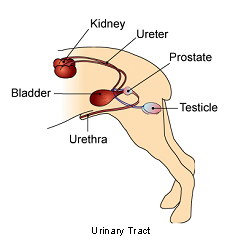
Urinary Tract Tumors Vca Animal Hospitals
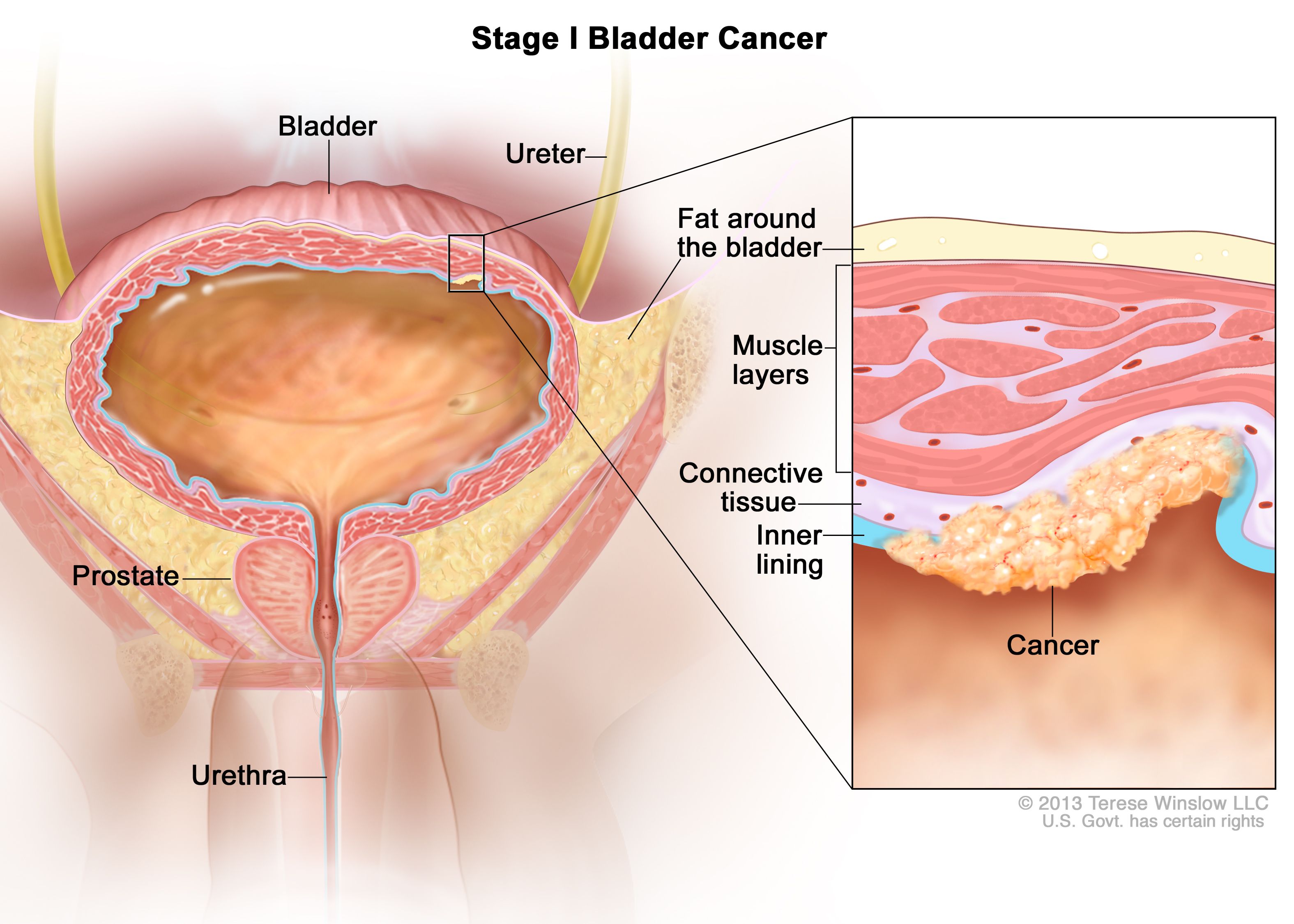
Bladder Cancer Treatment Bladder Cancer Pictures Signs Symptoms To Better Understand Diagnosis Cleveland Oh University Hospitals
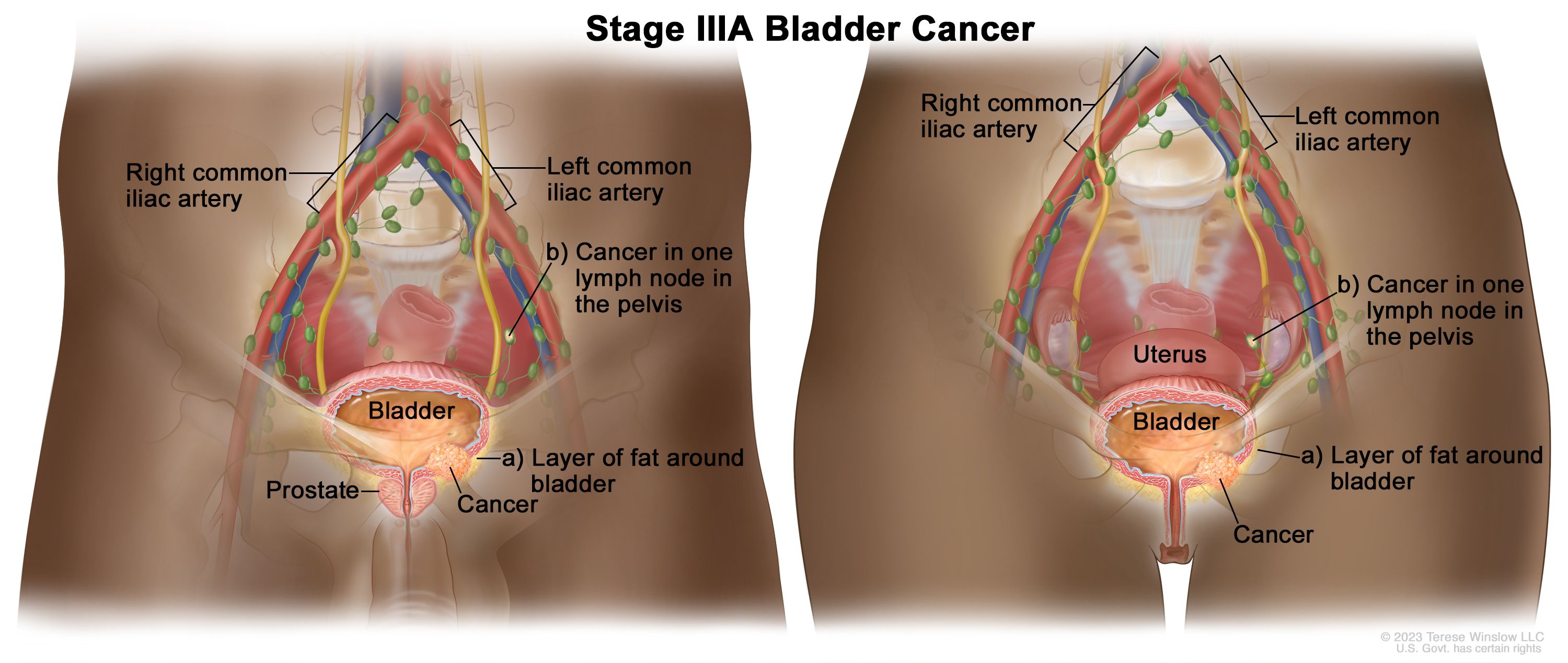
Bladder Cancer Treatment Bladder Cancer Pictures Signs Symptoms To Better Understand Diagnosis Cleveland Oh University Hospitals

Pdf In Situ Transitional Cell Carcinoma Of Urinary Bladder In A Cat Semantic Scholar

Feline Lower Urinary Tract Disease Wikiwand
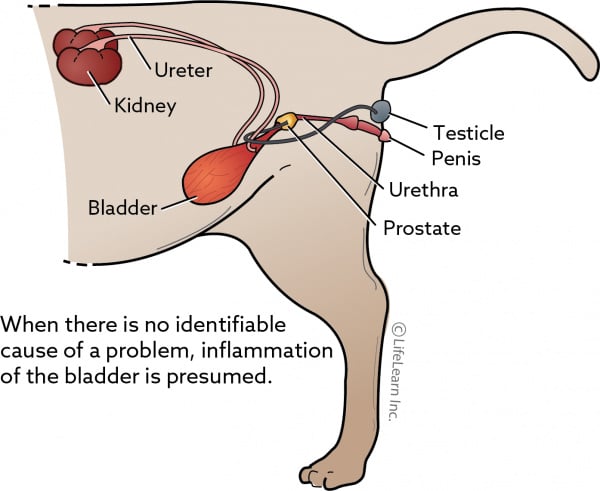
Feline Idiopathic Cystitis Vca Animal Hospitals

Fibrosarcoma Of The Urinary Bladder In A Cat Semantic Scholar
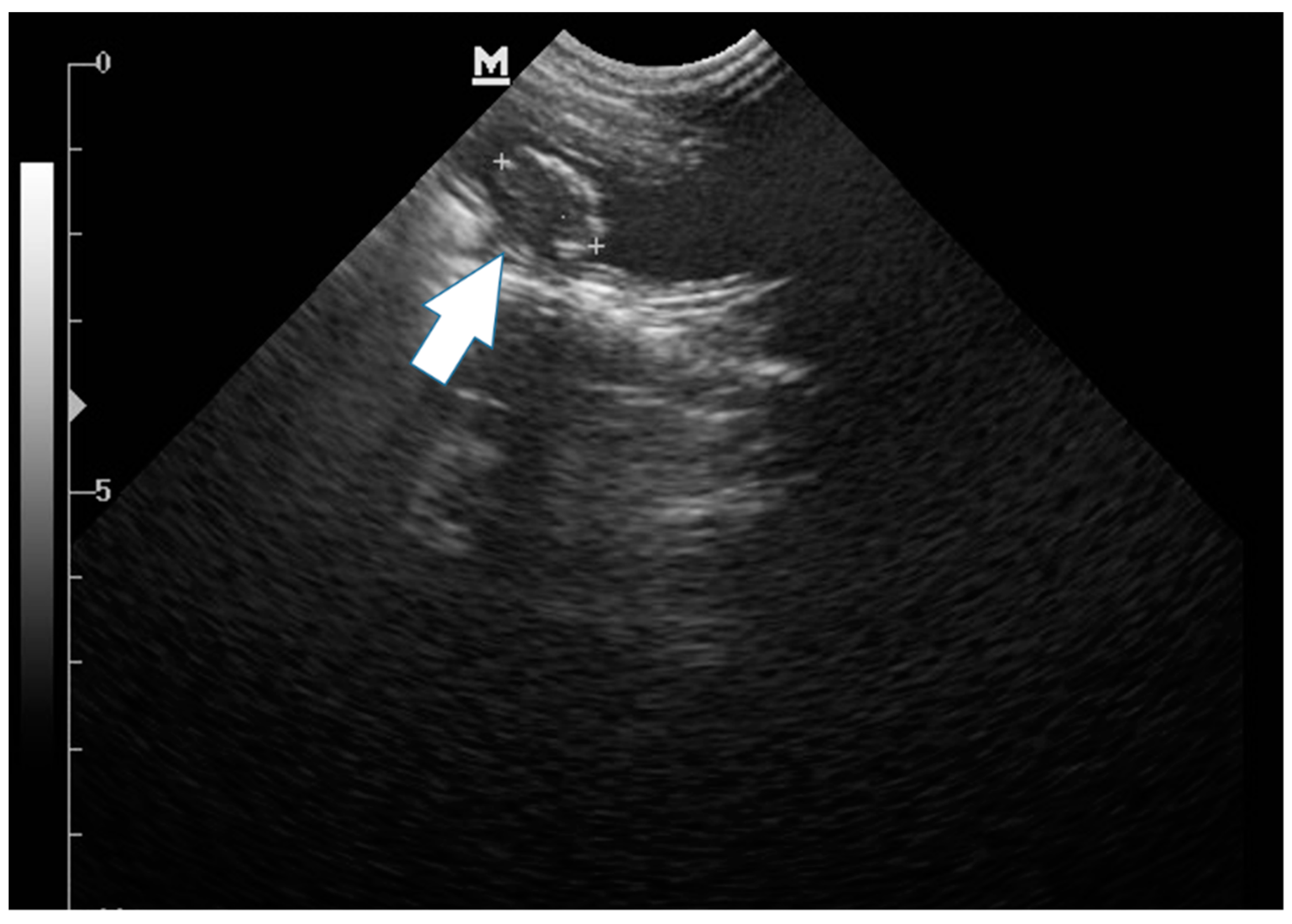
Veterinary Sciences Free Full Text Long Term Survival Of A Cat With Primary Leiomyosarcoma Of The Urinary Bladder Html

Pdf Treatment Of Transitional Cell Carcinoma Of Urinary Bladder Using Meloxicam In A Dog A Case Report Semantic Scholar
Urinary Bladder Cancer Research College Of Veterinary Medicine Purdue University

A D Transitional Cell Carcinoma Of The Urinary Bladder Di Erent Download Scientific Diagram

Pdf In Situ Transitional Cell Carcinoma Of Urinary Bladder In A Cat Semantic Scholar

Pin By Nutella Waferr On Vtne Vet Tech School Vet Medicine Vet Tech Student

Pin On Cancer

Feline Kidney Anatomy Vet Tech Student Veterinary Tech Veterinary Medicine